Lessons Learned and Lessons Ignored about “Cognitive Science in the Wild”
Bio:
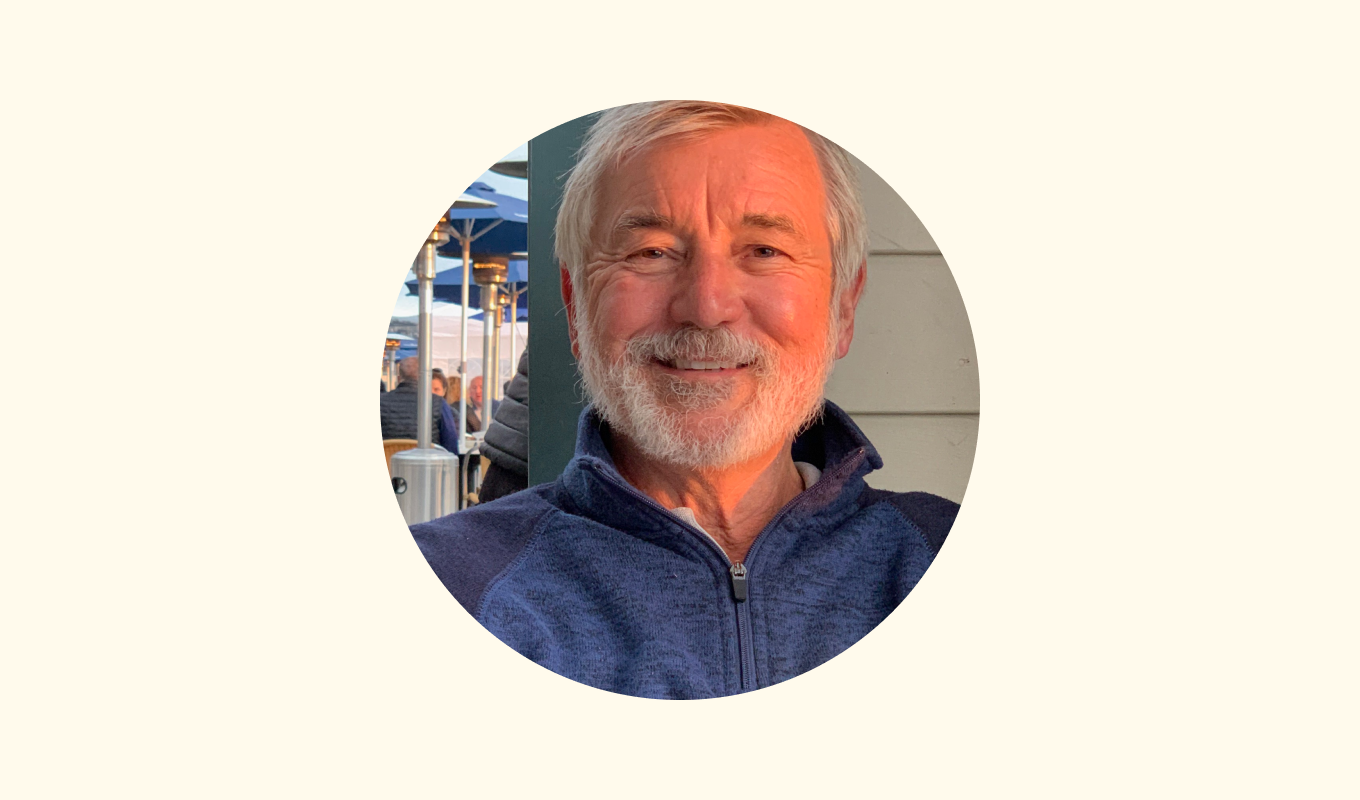
Robert (Bob) Glushko is an Adjunct Full Professor at the University of California at Berkeley in the Cognitive Science Program.
Glushko received his PhD in 1979 at the University of California, San Diego with cognitive science pioneer David Rumelhart as his thesis advisor. Since then, he has followed a very untraditional, non-linear, and opportunistic career path in research, applied research, technology transfer, consulting, as an entrepreneurial co-founder of three companies, as a board member for international standards organizations, and as a professor.
His research areas have included reading and word recognition, electronic publishing and e-book design, e-business, “smart” service design, information organization, and many other domains involving information-intensive interactions between people and technology.
He is the primary author and editor of The Discipline of Organizing, the Information Science book of the year for 2014, which is used in scores of schools in over twenty countries. In 2022 he published The Discipline of Organizing for Kids, aimed at children facing many organizing challenges as they transition from one teacher in elementary school to different teachers for each subject in later grades.
Along with his wife Pamela Samuelson, a law professor at UC Berkeley, Glushko created and funds the Rumelhart, Elman, and Glushko prizes awarded annually by the Cognitive Science Society. They also fund annual prizes for undergraduate honors work in cognitive science at more than twenty-five universities.
This talk is a part of the Traincrease Lecture Series (D4.2).
This project has received funding from the European Union’s Horizon 2020 research and innovation programme under grant agreement No 952324.
